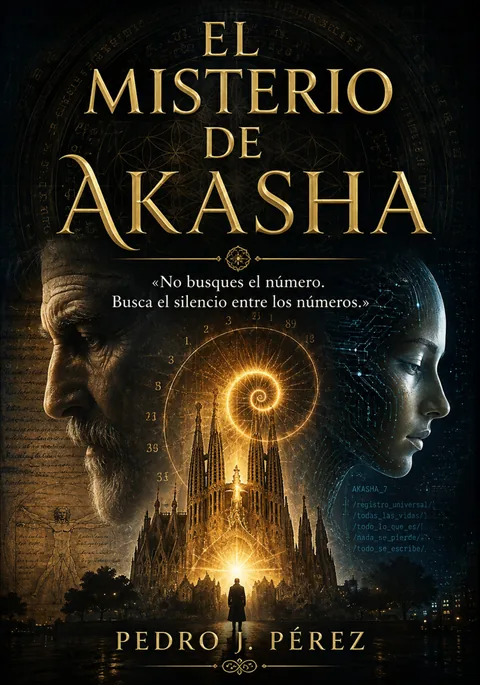
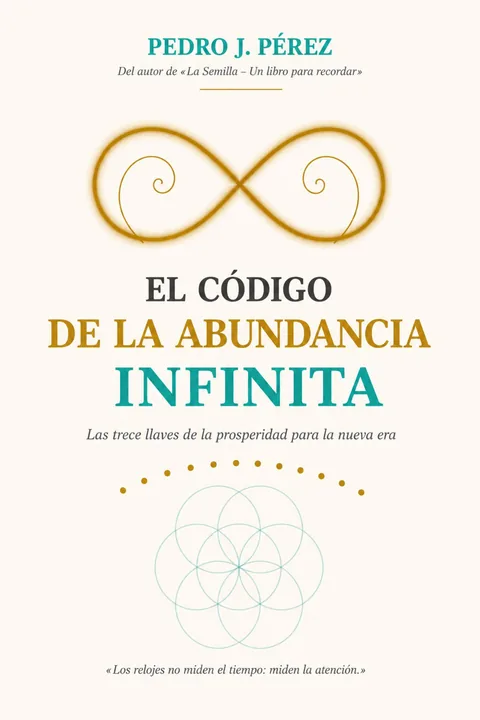
An editorial, rigorous look at the news that speaks to books, mysteries and personal growth. Articles are written in Spanish and translated into English.
Three recent news items—Verónica Carpio's book on schizophrenia, the story of Héctor Flórez Herboso and Iker Jiménez's reflection on the search for certainties—make it possible to consider what we ask of self-improvement literature and how to read it profitably.
Two recent books —«Escalera de Oro», by Tania Aranda, and «Crónica de un hombre que volvió de sí mismo», by Luis Vaquero— make it possible to think about what we ask of self-improvement literature and how to read it without renouncing our own judgment.
The review of «The Rhyl Poster», by Tom McCarthy, raises a useful question for anyone who reads demanding narrative: what do we ask of a novel built as a riddle, and how do we distinguish the difficulty that illuminates from the one that merely disconcerts.
Librotea's selection on personal growth and awareness for starting 2026 makes it possible to think about what we ask of these books: not instant certainties, but criteria for ordering priorities and sustaining decisions in everyday life.
Psychologist Guisela Arata presents «Emprendiendo el viaje», a guide to self-knowledge and personal development. An occasion to think about what we ask of these books and how to read them without relinquishing our own judgment.
A book born of professional experience proposes ordering one's life in order to enjoy it without always living at the limit. Reading it with judgment allows one to separate what is a concrete habit from what merely sounds good.
Growing interest in the silver audience has brought books on health, personal development and finance to the new-releases tables. Reading them with judgment makes it possible to distinguish promises from concrete habits and to turn reading into sustainable decisions.
The presentation of «Reprogrammed by Pain», a work of self-improvement and discipline, invites us to think about how pain is written when it becomes a book and what we truly ask of personal-growth literature.
El Sol de México makes the case for essential literature on UFOs. Reading the phenomenon seriously requires distinguishing testimony, hypotheses and proof, and choosing books that help us think rather than books that merely confirm what we already believe.
Mariela Paz Cuéllar's first self-help book coincides with the self-esteem and leadership selections: an occasion to think about what we seek in these books and how to read them to good effect.
In The Guardian, Philippa Gregory describes a reading education that combines the gothic fantasy of childhood with the study of a hundred 18th-century novels: a lesson in how imagination and history are trained through reading.
Self-help returns to the new-release tables with titles on personal finances, self-esteem and leadership. Reading them with attention and judgment allows one to keep what truly helps: concrete habits, honest questions and a clearer view of one's own life.
Affiliate link: if you buy, I earn a small commission at no extra cost to you.
Daily newsletter
Get the articles by email every day
One email a day, in the evening, with the published articles and a link to Pedro J. Pérez's books. No advertising. Unsubscribe with one click from any message.
You will receive a message to confirm your subscription.